
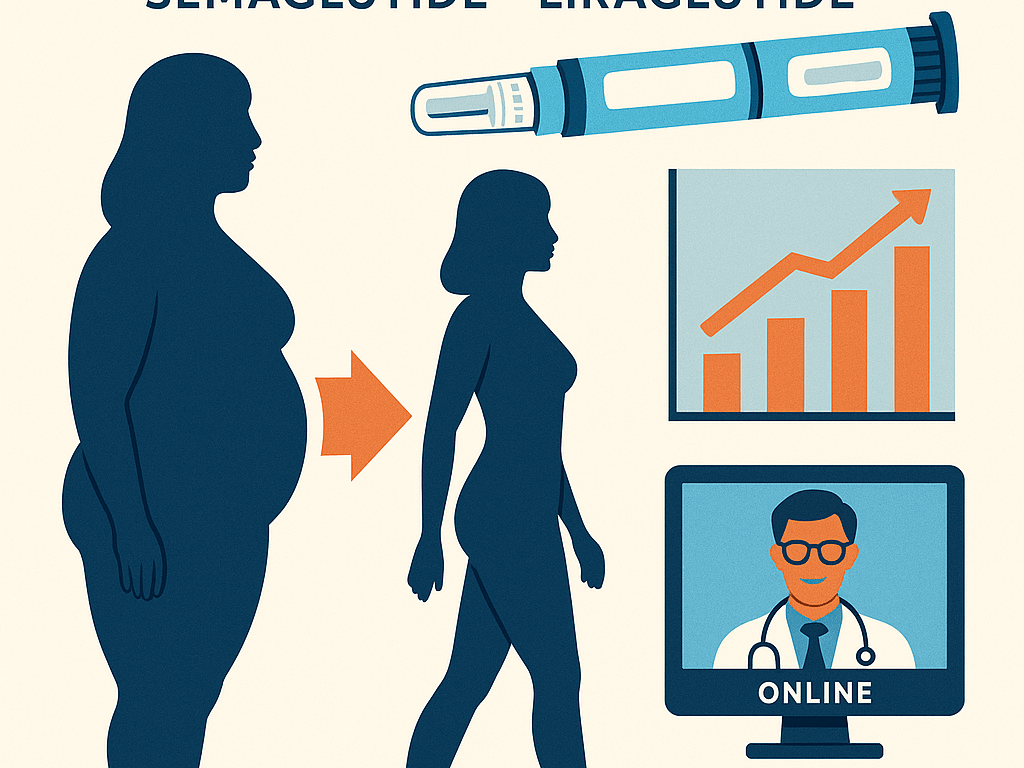
The Weight-Loss Revolution of 2025
It’s 2025, and weight loss doesn’t look like it did just five years ago. Gone are the days when diet and exercise were the only frontline strategies. Today, GLP-1 medications have become game changers in both weight management and primary care. Prescribed online, celebrated on social media, and backed by strong clinical evidence, GLP-1 drugs like semaglutide and liraglutide are reshaping how we think about obesity, chronic disease, and healthcare access.
What Are GLP-1 Medications?
GLP-1 (glucagon-like peptide-1) medications were originally developed to treat type 2 diabetes. Drugs like semaglutide (Ozempic, Wegovy), liraglutide (Victoza, Saxenda), and newer agents such as tirzepatide (Mounjaro) work by mimicking a naturally occurring hormone that regulates insulin and blood sugar.
While their effectiveness in controlling glucose levels made them a staple in diabetes care, researchers quickly noticed a powerful “side effect”: significant weight loss.
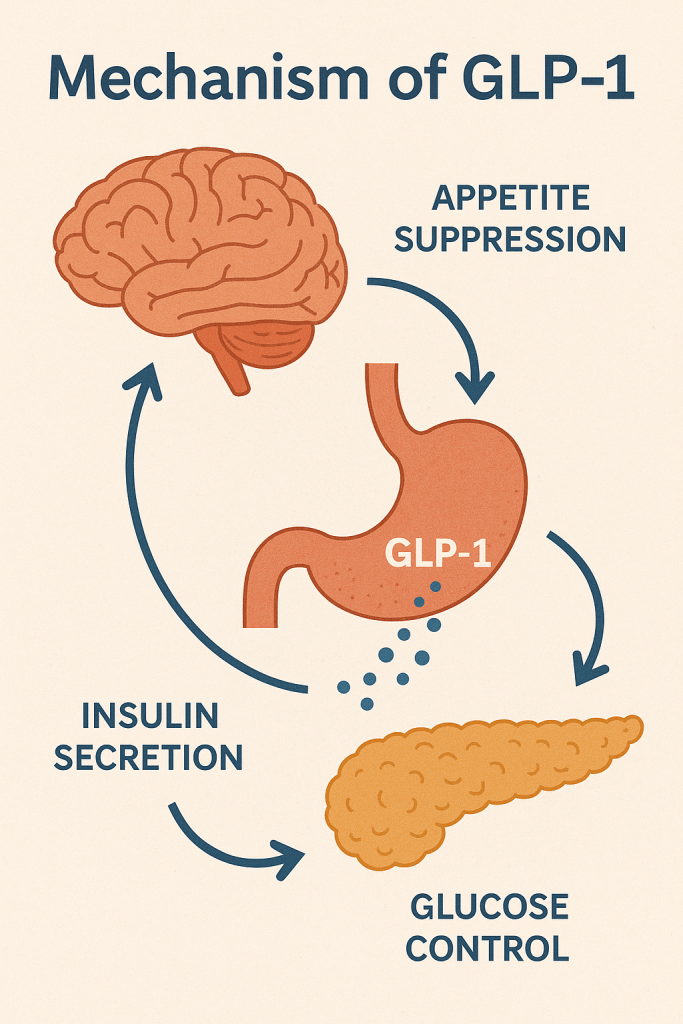
How They Work: The Hormonal Mechanism Behind the Magic
GLP-1 drugs mimic the GLP-1 hormone, which plays a crucial role in appetite regulation and blood sugar control. Here’s how:
- Slows gastric emptying, so you feel full longer
- Suppresses appetite via signals to the brain’s hunger centers
- Stimulates insulin release when glucose levels rise
- Reduces glucagon secretion, helping lower blood sugar
This multi-pronged mechanism not only helps patients eat less but also leads to better control of blood glucose and, in many cases, improvements in heart health.
Why GLP-1 Drugs Are Trending Now
Several forces have converged to push GLP-1 medications into the spotlight:
- FDA Approvals: Wegovy (semaglutide 2.4 mg) received approval specifically for chronic weight management.
- Telehealth Boom: Online platforms now offer GLP-1 prescriptions without in-person visits.
- Social Media Buzz: TikTok, Instagram, and Reddit are flooded with testimonials, progress pics, and user guides.
All this has helped destigmatize the idea of medical weight loss and driven unprecedented demand.
Benefits and Results: What the Data Shows
GLP-1 medications offer a range of health benefits beyond the number on the scale:
- Weight Loss: Clinical trials show an average weight reduction of 12% to 20% depending on the drug and dosage.
- Blood Sugar Control: Originally designed for diabetes, these drugs help lower A1C and reduce insulin resistance.
- Cardiovascular Outcomes: Some GLP-1 drugs have been shown to reduce the risk of heart attacks and strokes in high-risk patients.
Risks, Side Effects, and Concerns
Like any medication, GLP-1 drugs are not without downsides. Common and potential risks include:
- Gastrointestinal issues: Nausea, vomiting, constipation, or diarrhea
- Injection fatigue: Most drugs are weekly or daily injectables
- High cost: Without insurance, prices can exceed $1,000/month
- Access disparities: Not all insurance plans cover them for weight loss
- Unknown long-term effects: Studies are still ongoing on 5- to 10-year usage
- Shortages: Demand is outpacing supply, leading to pharmacy stockouts
Impact on Primary Care and Telehealth
The popularity of GLP-1 weight loss treatments is shifting the landscape of primary care:
- Obesity as a medical condition: More primary care providers now view and treat obesity as a chronic disease.
- Increased prescribing: Primary care physicians are being trained to evaluate and prescribe GLP-1 medications.
- Telehealth expansion: Virtual weight loss clinics are booming, offering subscription-based access to GLP-1 therapies.
This evolution is forcing healthcare systems to rethink how they manage obesity, chronic conditions, and access to care.

Social and Economic Implications
With millions now turning to GLP-1s, the ripple effects go far beyond healthcare:
- Access Inequities: Who can afford these drugs? Are low-income and minority populations being left behind?
- Changing stigma: Medical weight loss is becoming more accepted, but debates remain about “taking the easy way out.”
- Insurance pressure: As more people seek coverage, insurers are revising policies and prior authorization processes.
- Pharma market shift: Drug companies are racing to develop next-gen GLP-1s, oral versions, and combination therapies.
Should You Consider a GLP-1 Medication?
These drugs are not a magic bullet, but they can be transformative when used responsibly. Here’s what to keep in mind:
- Talk to your doctor: Especially if you have type 2 diabetes, prediabetes, or a BMI over 30 (or over 27 with a related condition)
- Commit to lifestyle changes: Diet, activity, and behavioral support remain essential
- Weigh the pros and cons: Costs, side effects, and access should be part of the decision
- Be wary of shortcuts: Not all online providers offer adequate follow-up or medical oversight
The Future of GLP-1 Therapy: 2025 and Beyond
In the next 5 to 10 years, GLP-1 therapy is poised to expand in multiple directions:
- Oral GLP-1s: Pills are in late-stage development and could make treatment easier
- Combo drugs: Dual and triple hormone agonists promise even greater results
- Earlier intervention: Use in prediabetes and metabolic syndrome may rise
- Wider insurance coverage: As evidence grows, insurers may broaden coverage
- Long-term outcome studies: We’ll learn more about the sustainability of results and safety over decades
Frequently Asked Questions (FAQ)
Q: Are GLP-1 medications safe for long-term use? A: Long-term safety data is still emerging, but current studies show they are generally well-tolerated for up to 2 years. Research is ongoing.
Q: Can I get GLP-1 drugs without diabetes? A: Yes. Wegovy and Saxenda are FDA-approved for weight loss in people without diabetes but with obesity or weight-related conditions.
Q: Are there oral alternatives to injectable GLP-1s? A: An oral form of semaglutide (Rybelsus) is available, but most weight loss regimens still rely on injections.
Q: Why is there a shortage of GLP-1 medications? A: Demand has surged due to widespread off-label use and media attention. Manufacturers are working to increase supply.
Q: Do I need to be on GLP-1s forever? A: Many patients regain weight after stopping. Ongoing use may be necessary to maintain results, similar to chronic disease management.
GLP-1 therapy is more than a trend—it’s a seismic shift in how we approach weight loss and chronic disease. If you’re considering this path, consult a qualified provider to determine if it fits your health goals.
Like this article? Share it, subscribe for updates, or talk to your doctor about GLP-1 therapy today.
Yours in good health
MDLINEHEALTH
 MDLINE HEALTH