
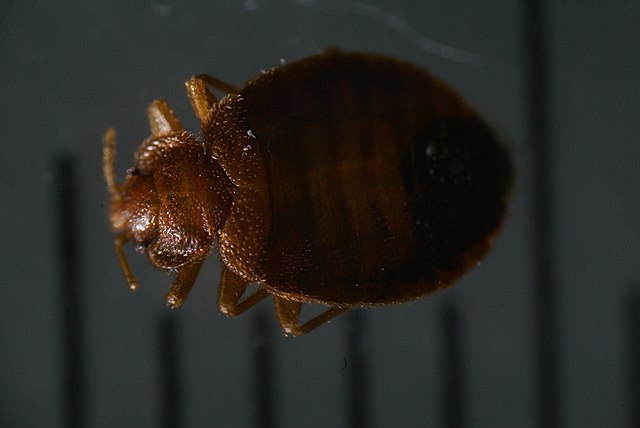
When we think about unwanted visitors in our comfy homes, bed bugs are the ones that often pop into our heads. These little guys, wearing their reddish-brown outfits, are like night-time ninjas. They sneak around and have a snack while we’re fast asleep. And boy, do they leave their mark! Those itchy, red bumps they give us are like their way of saying, “Thanks for having us over!”
But let’s tackle the big question that’s been bugging us (pun intended). Do these party-loving bugs do more than just annoy us? Are they experts at carrying diseases and passing them around?
Understanding Bed Bugs
Before we explore the issue of disease transmission, let’s get to know bed bugs a little better. Bed bugs, scientifically known as Cimex lectularius, are small, wingless insects that belong to the Cimicidae family. They are ectoparasites which feed on the blood of warm-blooded animals, with humans being their preferred host.
These resilient insects have been pests for centuries, and their resurgence in recent years has been a cause for concern. Current, as of October 2023, there is a major bed bug infestation going on in Paris. Bed bugs are excellent at hiding in cracks, crevices, and seams of mattresses, furniture, and even electrical outlets, making them challenging to detect and eradicate.
Bed Bugs’ Feeding Habits
Bed bugs are primarily nocturnal creatures, which means they are most active at night when their hosts are asleep. They locate their host by detecting the carbon dioxide and body heat we emit. Once they find a suitable host, they pierce the skin with their elongated mouthparts and feed on the host’s blood. Their bites are typically painless due to the anesthetic and anticoagulant they inject into their victim’s skin.
After feeding, bed bugs return to their hiding places to digest the blood meal. They can survive for several months without feeding, making them incredibly resilient and adaptable pests.

The Myth of Disease Transmission
Now, let’s address the pressing question: Do bed bugs transmit diseases? Contrary to popular belief, bed bugs are not known to transmit diseases directly through their bites. The consensus among medical and entomological experts is that bed bugs are not vectors for diseases like mosquitoes or ticks.
While bed bug bites can be uncomfortable and cause itching, swelling, and sometimes secondary infections due to scratching, the transmission of pathogens from one person to another through bed bug bites is exceedingly rare. Bed bugs feed by inserting their proboscis into the skin, but they do not carry and transmit pathogens like viruses or bacteria, as some other blood-feeding insects do.
However, there are some caveats to this general rule:
Allergic Reactions
Some individuals may experience severe allergic reactions to bed bug bites, which can lead to more pronounced symptoms and complications. These allergic reactions can cause respiratory problems, severe skin rashes, and anaphylaxis in rare cases. While not a disease transmission, it’s essential to be aware of these severe allergic reactions.
Secondary Infections
Scratching bed bug bites can lead to open sores, which, if not properly cared for, can become infected with bacteria. While this is not a direct result of the bed bug bite itself, it’s a potential health risk associated with their presence.
Mental Health Implications
Dealing with a bed bug infestation can be emotionally and mentally distressing. The stress, anxiety, and sleep disruption caused by an infestation can have a significant impact on an individual’s overall well-being. In this sense, bed bugs indirectly affect human health through their psychological toll.
Diseases Often Mistaken for Bed Bug Bites
Sometimes, skin reactions attributed to bed bug bites may actually be caused by other medical conditions. Conditions such as hives, scabies, and various skin infections can mimic the symptoms of bed bug bites. It’s crucial to consult a healthcare professional for an accurate diagnosis if you suspect you have bed bug bites.
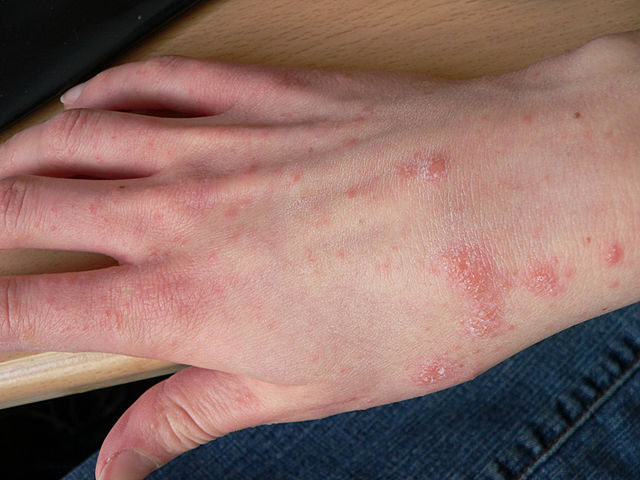
Although bed bugs are not known to transmit diseases, their presence is still a matter of concern due to the physical and psychological discomfort they cause. Preventing and managing bed bug infestations is essential for maintaining a healthy living environment.
Yours in good health
MDLINE HEALTH
 MDLINE HEALTH