
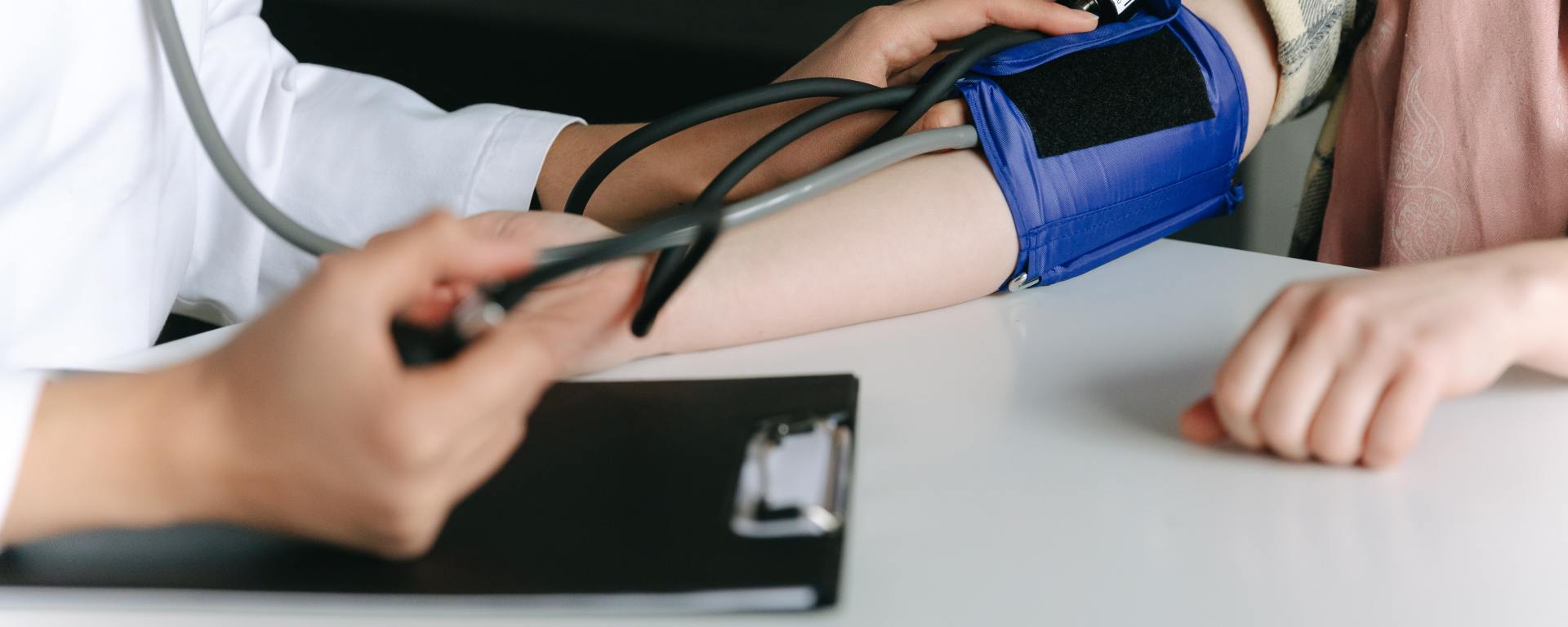
What is “blood pressure”?
Hemodynamically, blood pressure (BP) is an essential physiological parameter that plays a crucial role in maintaining the proper functioning of the cardiovascular system. It represents the force exerted by the circulating blood against the walls of the blood vessels, and it is measured in terms of systolic pressure over diastolic pressure, expressed in millimeters of mercury (mmHg).
High blood pressure, also known as hypertension, is a common medical condition that occurs when the force of blood flowing through the arteries is consistently too high. It is defined by a systolic pressure (upper number) at or greater 140 mmHg, and/or a diastolic (lower number) at or greater than 90 mmHg. This sustained elevation in blood pressure can cause significant damage to the delicate inner lining of the blood vessels, known as the vascular endothelium.
Endothelial dysfunction can contribute to the development and progression of various cardiovascular diseases, including atherosclerosis, coronary artery disease, stroke, and heart failure. Moreover, it can also lead to the malfunctioning of other organs, such as the kidneys and the brain, due to reduced blood flow and oxygen supply.
It is crucial to maintain one’s blood pressure within the normal range (lower or equal to than 120/80 mmHg) in order to mitigate the risk of developing the cardiovascular consequences. While medication is often prescribed to manage hypertension, there are also natural approaches that can help lower BP.
Dietary Changes
Decrease sodium intake.
One cannot talk about lowering blood pressure without emphasizing the importance of a healthy diet. The number one element in your diet that directly affects your blood pressure is sodium, salt. The American Heart Association recommends no more than 2,300 milligrams of sodium per day, which is equivalent to 1 teaspoon of table salt. On average, Americans eat more than 3,400 milligrams of sodium each day, much more than the recommendation limit. More than 70% of this sodium intake is packaged, prepared and restaurant foods — not the saltshaker. The high sodium intake and the increase in BP levels are related to water retention, increase in systemic peripheral resistance, alterations in the endothelial function, changes in the structure and function of large elastic arteries, modification in sympathetic activity, and in the autonomic neuronal modulation of the cardiovascular system.
Daily reduction of sodium intake, 1000mg less every day, has been scientifically proven as an effective measure to decrease not only blood pressure but also the burden of mortality associated with cardiovascular diseases. Preparing your own meals whenever possible and avoiding pre-cooked or canned foods is crucial, as they often contain high amounts of added salt. Therefore, being mindful of the amount of sodium we consume daily and taking steps to reduce its intake can have a significant impact on our overall health.

https://www.cdc.gov/salt/index.htm
Increase potassium intake.
Potassium, an essential mineral, plays a crucial role in maintaining healthy BP levels. One of the key mechanisms through which potassium aids in blood pressure regulation is by counteracting the effects of sodium in the body leading to a more balanced blood pressure profile.
Additionally, potassium exerts its beneficial effects by promoting increased urinary sodium elimination. When potassium levels are sufficient, the kidneys are better equipped to excrete excess sodium through urine, further supporting BP control.
Considering the daily recommended intake, it is advised that men consume around 3,400 mg of potassium per day, while women aim for a target of 2,400 mg. Incorporating potassium-rich foods into one’s diet can be an excellent strategy for achieving these goals. Some examples of potassium-rich foods include bananas, spinach, sweet potatoes, avocados, and white beans, among others.
The DASH diet.
The Dietary Approaches to Stop Hypertension (DASH) diet focuses on fruits, vegetables, whole grains, lean proteins, and low-fat dairy products. Numerous studies have shown that following the DASH diet can significantly reduce blood pressure. In addition to its blood pressure benefits, this diet also promotes an overall healthy lifestyle. By emphasizing nutrient-rich foods and limiting the consumption of processed and high-sodium foods, the DASH diet can help control weight, reduce the risk of heart disease, and improve overall health.
Regular Exercise
Regular physical activity is a natural way to reduce BP. Exercise helps make your heart more efficient at pumping blood and can decrease the stiffness of blood vessels. How much exercise do you really need? It depends on the individual and their objectives. It is recommended to engage in at least 150 minutes of moderate-intensity exercise per week. This can include activities such as brisk walking, swimming, or cycling. In addition to the benefits for blood pressure, regular exercise also improves overall cardiovascular health, strengthens muscles, and helps maintain a healthy weight. Studies show that you can expect your blood pressure to drop from 4 to 12 mm Hg diastolic and 3 to 6 mm Hg systolic.
Stress Reduction-
Chronic stress can contribute to high blood pressure. Finding effective ways to manage stress is crucial for overall health. There are various relaxation techniques that have been scientifically proven to reduce BP, including:
Deep breathing: Taking a few minutes each day to breathe slowly and deeply can help relax both the body and mind. Inhaling deeply through the nose and exhaling slowly through the mouth promotes relaxation and reduces stress.
Meditation: Regular meditation practice can have beneficial effects on blood pressure. Meditation focuses on the present moment and can help lower tension and negative thoughts.
Yoga: Yoga combines physical postures with breathing and meditation techniques. Regular yoga practice has been shown to lower BP and improve overall cardiovascular health.
Even more practical to reduce your stress level is leave the city for a couple days as often as often as possible. It is also very beneficial to have a strong network of people around you, not only the co-workers, but family members and friends too.
Limit Caffeine
Caffeine is a stimulant found in various beverages and foods, such as coffee, tea, energy drinks, and chocolate. While moderate caffeine consumption doesn’t typically cause significant or long-term increases in blood pressure for most people, it can have short-term effects on blood pressure, and some individuals may be more sensitive to its impact.
How does caffeine raise blood pressure?
It does so by different mechanisms:
1-Caffeine stimulates the release of adrenaline by
2-Caffeine blocks the action of adenosine on its receptors leading to increased sympathetic nervous system activity, which can result in higher blood pressure.
3) Caffeine can cause your heart rate to increase temporarily. This is due to its stimulatory effects on the heart’s electrical conduction system. As your heart beats faster, it pumps blood through your arteries more forcefully, leading to a short-term elevation in blood pressure.
4) Caffeine can cause blood vessels to constrict (narrow), particularly in the smaller blood vessels. This vasoconstriction can further contribute to increased blood pressure.
Moderate caffeine consumption (typically defined as 200-400 milligrams per day, roughly equivalent to 1-2 cups of coffee) is considered safe for the majority of healthy adults. However, it’s essential to be mindful of individual tolerance levels and any potential interactions with underlying health conditions.
MODERATE Alcohol CONSUMPTION
Moderate alcohol consumption is defined as up to one drink per day for women and up to two drinks per day for men. At these levels, some studies have suggested potential cardiovascular benefits, such as a reduced risk of heart disease. However, excessive alcohol consumption, binge drinking, or heavy drinking is associated with a higher risk of hypertension and other health problems.
Individual responses to alcohol can vary, and some people may be more sensitive to its effects on blood pressure than others. If you have concerns about the impact of alcohol on your blood pressure, it’s essential to consult with a healthcare provider.
weight loss
Being overweight or obese increases the risk of high blood pressure. Shedding excess weight can have a significant impact on blood pressure. Even a small reduction in weight can lead to lower blood pressure levels. Studies have shown that for every 1 kg (2.2 pounds) of weight lost, blood pressure decreases by 1 mmHg. Combine a well-balanced diet with regular exercise to achieve and maintain a healthy weight. In addition to the blood pressure benefits, maintaining a proper weight has numerous health advantages, such as improving cardiovascular function, reducing the risk of chronic diseases, and strengthening the immune system. It’s important to remember that gradual and sustainable weight loss is the key to long-lasting results and overall good health. Start taking care of your health today!
Yours in good health
MDLINE HEALTH
 MDLINE HEALTH