
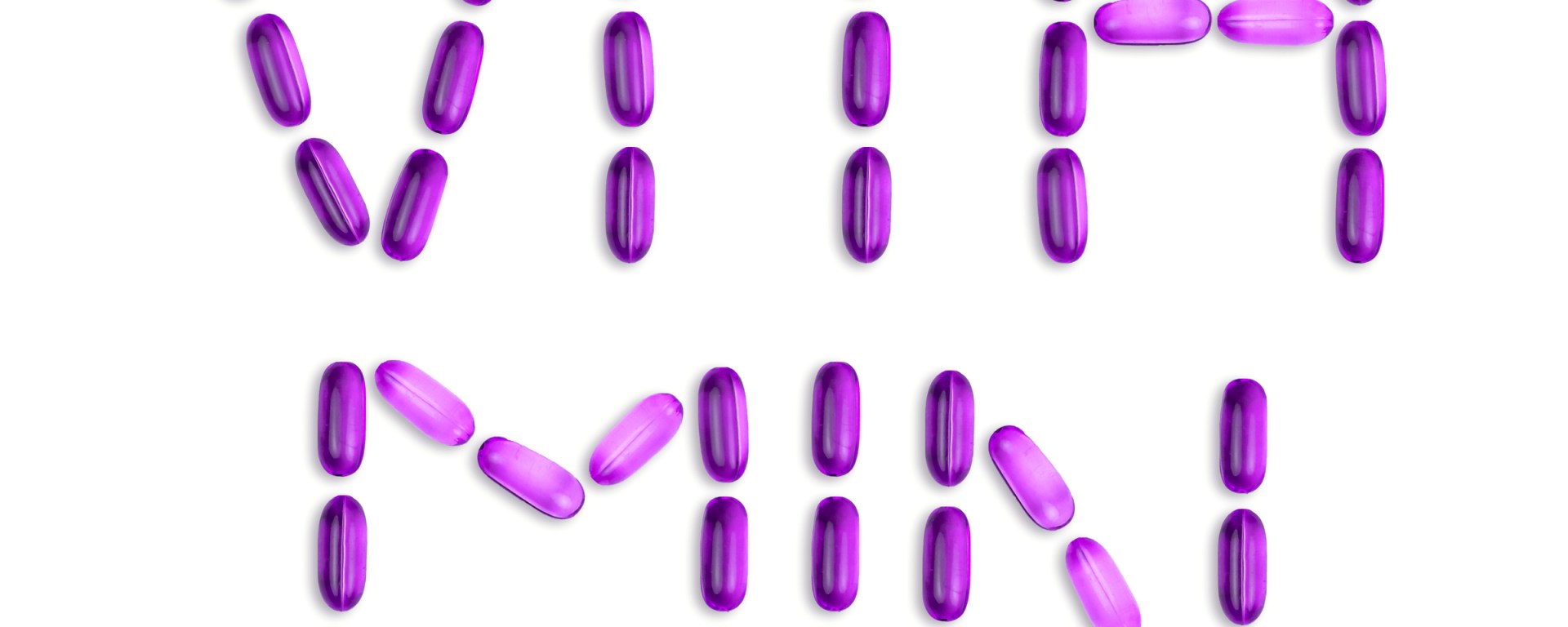
In the world of nutrition, vitamins play a vital role in maintaining our overall health and well-being. Among these essential vitamins, Vitamin B1, also known as thiamine, stands out as a crucial player in ensuring the proper functioning of our body. While its significance might not always be in the spotlight, a thiamine deficiency can lead to various health problems.
What is the role of thiamine in the body?
Thiamine, also known as vitamin B1, plays a vital role in the metabolism of carbohydrates, fats, and proteins, making it essential for overall health and wellbeing. This water-soluble vitamin is required as a cofactor in several enzymatic reactions that are involved in the conversion of these macronutrients into energy that the body can use.
One of the critical pathways where thiamine is utilized is glycolysis. Glycolysis is a series of reactions that occurs in the cytoplasm of cells, leading to the breakdown of glucose into pyruvate. Through this process, adenosine triphosphate (ATP), the primary energy currency of the cells, is produced. Thiamine acts as a cofactor for the enzyme pyruvate dehydrogenase, which is responsible for the conversion of pyruvate into acetyl-CoA, a crucial step in the production of ATP.
Causes of thiamine deficiency:
While thiamine is found naturally in a variety of foods such as whole grains, legumes, lean meats, and nuts, certain factors can increase the risk of deficiency. These include:
Dietary Insufficiency: A diet lacking in foods rich in thiamine is a common cause of deficiency.
-Alcohol Abuse: Excessive alcohol consumption can interfere with the absorption and utilization of thiamine, leading to deficiency.
-Certain Medical Conditions: Conditions such as Crohn’s disease, celiac disease, and bariatric surgery can affect thiamine absorption.
-Medications: Some medications, like diuretics, can increase thiamine excretion, potentially leading to deficiency.
-Chronic Illness: Chronic illnesses and infections can increase the body’s demand for thiamine, potentially depleting its stores.
What happens if you deficient in thiamine?
1-Beriberi
One of the most well-known diseases associated with Vitamin B1 deficiency is beriberi. This condition has plagued populations for centuries and is characterized by its two main types: wet and dry beriberi.
Wet beriberi primarily affects the cardiovascular system and can cause symptoms such as rapid heart rate, swelling in the lower extremities, and shortness of breath. Untreated wet beriberi can lead to heart failure and even death. It is often seen in regions where polished rice is a staple food, as the milling process removes the outer layers of the grain where thiamin (Vitamin B1) is found.
Dry beriberi, on the other hand, primarily affects the nervous system. Symptoms can include muscle weakness, tingling and numbness in the extremities, difficulty walking, and decreased reflexes.
It’s important to note that while beriberi is still prevalent in some parts of the world, it is relatively rare in developed countries where access to a varied and nutritious diet is more readily available. However, awareness and education about the importance of Vitamin B1 and its role in preventing diseases like beriberi remain crucial to ensure overall health and well-being.
2-Wernicke’s encephalopathy
Wernicke’s encephalopathy is a neurological disorder that is caused by a severe deficiency of thiamine. It primarily affects individuals who have a history of chronic alcohol abuse, but it can also occur in individuals with poor nutrition or other conditions that impair thiamine absorption.
The hallmark symptoms of Wernicke’s encephalopathy include confusion, vision disturbances, and poor coordination. Patients may experience difficulty with balance and walking, and their eye movements may be abnormal. These symptoms can progress rapidly and, if left untreated, can lead to more severe neurological complications, such as Korsakoff syndrome.
The diagnosis of Wernicke’s encephalopathy is based on clinical presentation and can be supported by the detection of characteristic brain imaging abnormalities and low thiamine levels in the blood.
3-Korsakoff psychosis
Korsakoff psychosis, also known as Korsakoff’s syndrome, is a devastating neuropsychiatric disorder that often develops as a consequence of untreated Wernicke’s encephalopathy. It is characterized by profound memory deficits that can significantly impact a person’s daily life.
Individuals with Korsakoff psychosis may struggle to retain new information (anterograde amnesia), experience difficulties with recall, and exhibit impaired judgment and insight. They may also exhibit confabulation, which is the fabrication of stories or events to fill in the gaps of their memory loss.
Aside from memory deficits, individuals with Korsakoff psychosis may experience neurological symptoms such as unsteady gait, muscle weakness, and peripheral neuropathy. Other psychological symptoms can include apathy, depression, and irritability.
4-Infantile beriberi
Vitamin B1 deficiency can have detrimental effects not only on adults but also on infants. Infantile beriberi is a condition that predominantly affects breastfed infants when the mother experiences a severe Vitamin B1 deficiency. The consequences of this deficiency in babies can manifest as symptoms such as irritability, feeding difficulties, vomiting, and in severe cases, even heart failure. This underscores the critical significance of ensuring proper nutrition during pregnancy and lactation, as it directly impacts the health and well-being of both the mother and the infant.
Fortunately, all these diseases can be prevented and treated by ensuring an adequate intake of Vitamin B1 through a balanced diet. Fortunately again, thiamine is pretty easy to find. Good food sources of thiamin include whole grains, legumes, nuts, seeds, and lean meats. However, in some cases, Vitamin B1 supplements may be recommended, especially for individuals at higher risk, such as pregnant and breastfeeding women, alcoholics, and those with certain medical conditions.

Picture from http://www.pexel.com
Deficiency in Vitamin B1 should never be taken lightly as it can have significant repercussions on your health if not properly addressed. It’s vital to be proactive in recognizing the symptoms and addressing the root causes to avoid any potential complications. By making conscious choices, such as following a well-balanced diet, limiting alcohol intake, and seeking professional medical advice when necessary, you can effectively maintain optimal thiamine levels. Always remember, your health is precious, and prioritizing it will lead to a vibrant and flourishing life. Read also “5 benefits of eating nuts“.
Yours in good health
MDLINE HEALTH
 MDLINE HEALTH