
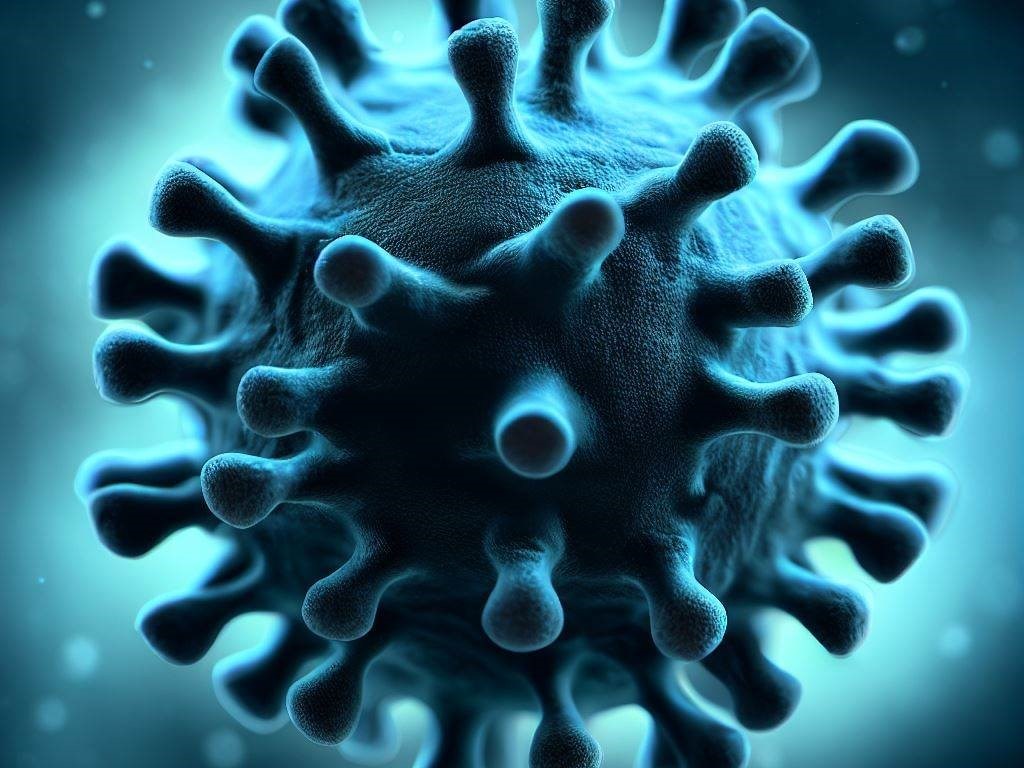
Respiratory viruses are a common and diverse group of pathogens that can cause a range of illnesses, from mild colds to severe respiratory diseases. They are typically transmitted through respiratory droplets when an infected person coughs, sneezes, or talks. Common respiratory viruses include the rhinovirus, influenza virus, coronavirus (COVID-19), and respiratory syncytial virus (RSV).
The human body is equipped with a remarkable defense system, known as the immune system, which is designed to combat these viruses and prevent them from causing widespread infection. The immune system consists of various components, including:
- The innate immune systems: made of physical barriers (cilia, mucus membranes), biologic secretions (mucous) and inflammatory cells ( macrophages, naturel killers).
- The adaptive immune system: made of T and B lymphocytes.
HOW DOES YOUR IMMUNE SYSTEM REACT AGAINST A RESPIRATORY VIRUSES
The first line of defense is the physical barriers of the respiratory tract. Brief histology lesson: your respiratory tract is lined with a mucociliary epithelium, a fancy way of saying “a bunch of hairy cells that can produce a sticky fluid called mucus”. The mucus serves as a trap for viruses and other harmful particles that you might inhale. While the hairs (cilia), beating in coordination, move the mucus and trapped viruses upward, away from the lungs and towards the throat. Once in the throat, everything is coughed out or swallowed, preventing them from reaching deeper in the lungs where they could cause more severe damage. Cigarette smoking damages the cilia and reduces their beat frequency, leading to reduced mucociliary clearance in smokers. This is why chronic cigarette smokers, especially those with chronic bronchitis and COPD, are more prone to devastating respiratory infections.
The mechanisms mentioned above are mainly carried out by the innate immune system, although the mucus also contains secretory immunoglobulin A (IgA) which is produced by the B lymphocytes. The innate immune system works to fight off the viruses before they can start an active respiratory infection.
In certain instances, the response may be insufficient, or the pathogen manages to evade capture and infiltrate deeper into the lungs. In these scenarios, the respiratory macrophages spring into action, robustly activated. These activated macrophages target the virus, engulf infected cells and efficiently eradicate them. Furthermore, they deploy a cascade of chemical signals to recruit additional immune cells, including neutrophils and T cells, to converge upon the site of infection. Within this realm of chemical signals reside the cytokines (IL-1, IL-6 and TNF-alpha), tiny molecules that facilitate communication amongst immune cells, orchestrating the development of another component of the defense, fever.
Fever, a common symptom of various viral infections, particularly respiratory viruses, plays a significant role in the body’s defense mechanism. Despite causing discomfort, fever serves a crucial purpose in combating infections. By raising the body’s temperature, it creates an unfavorable environment for viral replication while also boosting the efficiency of immune cells in their battle against the invading pathogens.
THE ROLE OF THE ADAPTIVE IMMUNE SYSTEM
As mentioned above, once activated, the macrophages call for back up. The response involves specialized (adaptive) immune cells called T cells and B cells, which work together to identify, target, and eliminate specific viruses. T cells recognize virus-infected cells and destroy them, preventing the virus from spreading. B cells produce antibodies, mainly Immunoglubin A (IgA) which are proteins that neutralize viruses and mark them for destruction by other immune cells, a process called antibody-dependent cellular cytotoxicity.
The most fascinating part about the adaptive immune system is the immune memory. Say you catch COVID-19 for the first time, your B-lymphocytes will produce antibodies to elimite the virus. Once initial response has cleared, a couple of cells (memory cells) remain in the body. These cells are highly specialized and genetically to tailored to recognize and rapidly respond to the same pathogen if it is encountered again in the future. The respond this time happens faster and stronger. Immune memory the basic principle of vaccination. Unfortunately, the immune memory does not always last forever, which makes reinfections possible and booster shots sometimes necessary to prevent them.
THEN WHY DO YOU CATCH A COLD SEVERAL TIMES?
Despite the fascinating intricacies of the immune system, respiratory viruses, particularly the influenza virus and the COVID-19 virus, possess the capacity to mutate and produce new variants or strains. These new variants can go completely unrecognized by the immune memory, causing the body to treat them as new and mount a whole new immune response against them. This is why we get a flu shot every year.
To conclude
The human body is equipped with an excellent army to defend it from all sorts of harmful invaders from the outside. Understanding these defense mechanisms not only deepens our appreciation for the complexity of our immune system but also emphasizes the importance of maintaining a healthy lifestyle to support its optimal function. Your respiratory tract, being particularly exposed to the environment, is one of the most common ports of entry for viruses into our body. Therefore, refraining from practices that can hamper the defense of this portal is of utmost importance. Cigarette smoking, or any smoking for that matter, should be on everyone’s list of things to stop or to never try.
Yours in good health
MDLINE HEALTH
 MDLINE HEALTH