
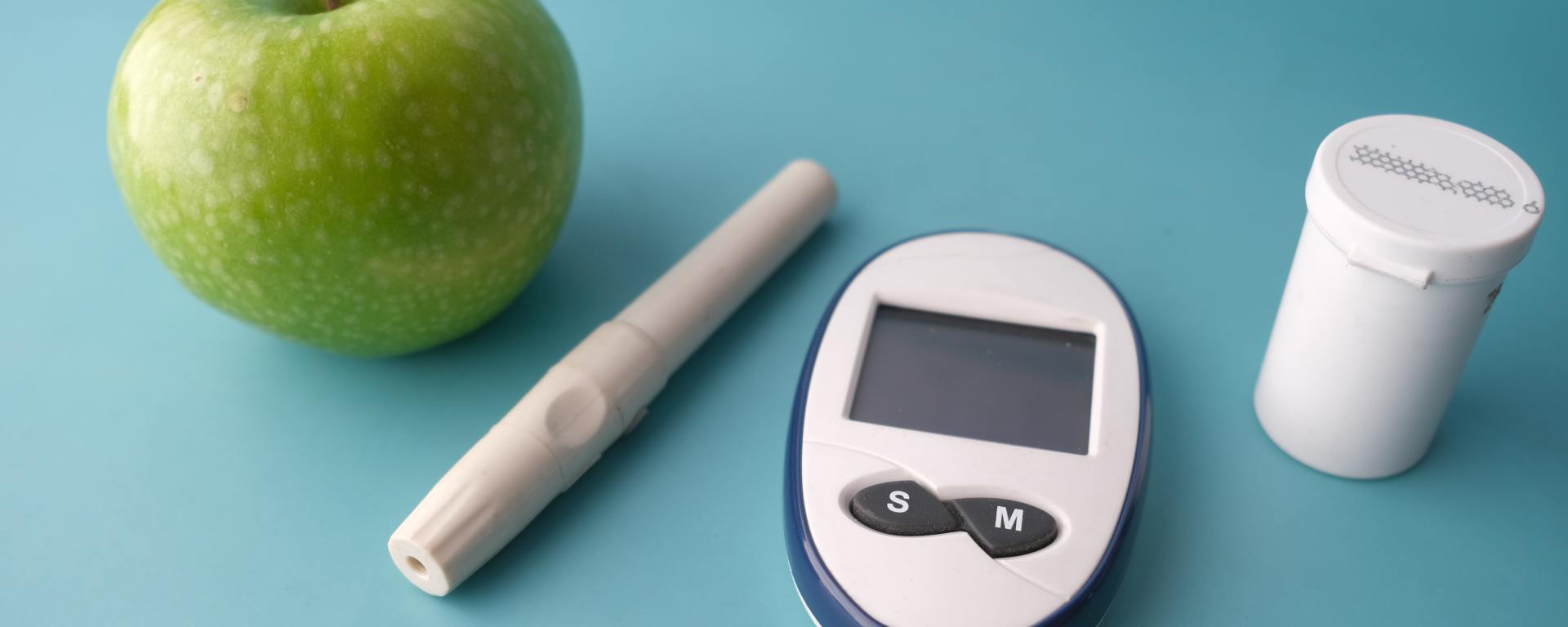
Achieving and maintaining optimal blood sugar levels is paramount to your overall well-being. By implementing a range of natural strategies, you can effectively regulate your blood glucose levels and pave the way towards a healthier and more balanced lifestyle. These proactive measures not only serve as a preventative measure against diabetes, fatty liver disease and obesity but can also assist in restoring your hemoglobin A1c to an ideal range even if you are already living with diabetes.
Here are 5 effective tips:
MINDFUL SUGAR CONSUMPTION
Consuming carbohydrates requires careful consideration, particularly when it comes to added sugars (Read also: 5 surprising foods with more added sugar than you think). While carbohydrates as a nutrient group should be consumed in moderation, it is crucial to be mindful of the detrimental effects of rapid sugar absorption. When sugar is rapidly absorbed into the bloodstream, it leads to a rapid spike in glycemia and blood insulin levels. These factors can ultimately contribute to the development of issues such as insulin resistance, obesity, and diabetes.

To mitigate these risks, opt for complex carbohydrates with a low glycemic index (GI). These types of carbohydrates are digested more slowly, resulting in a gradual rise in blood sugar levels. Excellent choices include whole grains, legumes, vegetables, and fruits. Portion control is equally significant in preventing blood glucose spikes, so always keep in mind the importance of appropriate portion sizes. Additionally, combining carbohydrates with healthy fats and proteins can further stabilize blood sugar levels.
STAY HYDRATED WITH WATER
You will probably be surprised to learn that drinking an adequate amount of water is not only essential for overall health but can also help regulate glycemia. One way your body deals with excess glucose is by flushing it out through urine. Therefore, it’s crucial to make water your beverage of choice. When we say “water,” we mean pure, clear water, not sugary drinks or sodas. These sugary beverages can actually exacerbate blood glucose spikes, so it’s essential to steer clear of them to maintain stable blood sugar levels. Opt for water as your primary drink to support your overall health and blood sugar management.
REGULAR PHYSICAL ACTIVITY
Engaging in physical activity is a powerful tool in improving blood sugar control. Exercise enhances your muscles’ ability to utilize glucose efficiently, resulting in long-term reductions in blood sugar levels. A notable advantage of exercising muscles is their capacity to absorb glucose directly from the bloodstream without relying on insulin as a signaling hormone, making it particularly beneficial for individuals with diabetes. For optimal results, strive for a well-rounded exercise routine that includes both aerobic activities like brisk walking or swimming and strength training exercises. Prior to embarking on a new exercise program, especially if you have underlying health concerns, it’s advisable to consult with your healthcare provider for personalized guidance.
CHOOSE LEAN PROTEIN
Incorporating lean protein sources into your meals can help stabilize blood sugar levels and keep you feeling full for longer, which curbs your cravings for a cupcake. Protein-rich foods have a minimal impact on glycemia and can reduce the overall glycemic load of your meals. Opt for sources like lean meats, poultry, fish, tofu, legumes, and low-fat dairy products. Including protein in your snacks can also help prevent blood sugar spikes between meals (Real also: 5 healthy snacks to aid with weight loss).
PRIORITIZE FIBER-RICH FOODS
Fiber is a nutritional superstar when it comes to blood sugar management. Soluble fiber, in particular, can slow down the absorption of simple carbohydrates and help maintain steady blood sugar levels. They are the main reason why when you eat fruits your blood sugar does not spike. Foods rich in fiber include whole grains, vegetables, fruits, legumes, and nuts. Aim to include a variety of fiber-rich foods in your diet to support your blood sugar goals.

Understand. This is not an appeal to throw away every single pot of sugar you have at home. We are talking about better choice and moderation. Lowering blood sugar levels naturally requires a combination of mindful eating, regular physical activity, and healthy lifestyle choices. By making these five tips a part of your daily routine, you can take proactive steps towards maintaining stable blood sugar levels and promoting overall health.
Yours in good health
MDLINE HEALTH
 MDLINE HEALTH
Walking after eating is particularly helpful. Just a 15 minute stroll will have an impact.
LikeLiked by 1 person