
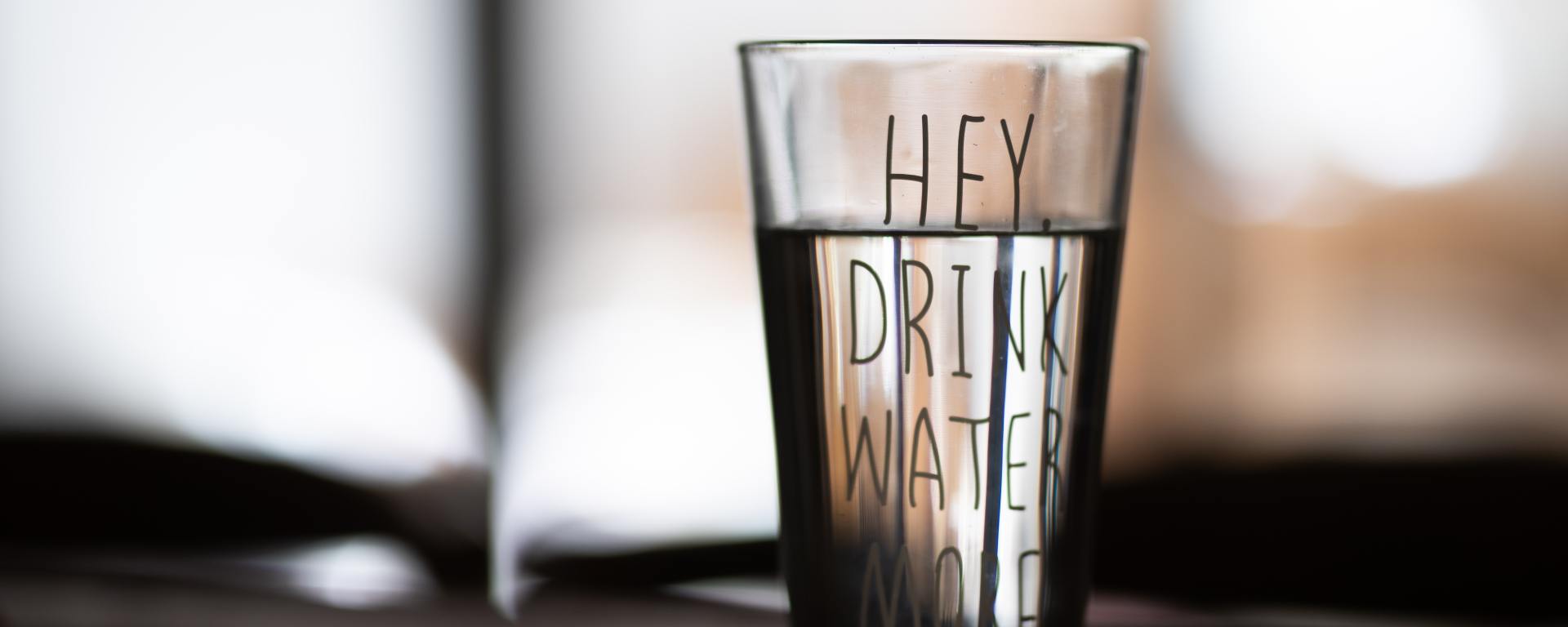
As the scorching heat of summer engulfs us, staying hydrated becomes more crucial than ever. Dehydration occurs when our bodies lose more fluids than we take in, leaving us vulnerable to a host of health issues. It’s essential to be aware of the signs of dehydration to protect ourselves and our loved ones, especially the elderly. Let’s explore five telltale signs that indicate you might be dehydrated during times of extreme heat.
1-Thirst and Dry Mouth:
The most obvious sign of dehydration is feeling thirsty and having a dry mouth. Our bodies have a remarkable system that triggers the sensation of thirst when we need more fluids. However, in extreme heat, you might feel thirstier than usual as your body tries to cope with excessive sweating and increased fluid loss. A dry or sticky feeling in the mouth can also accompany thirst, indicating that you need to drink more water immediately.
2-Dark Colored Urine:
The color of your urine can provide valuable insights into your hydration levels. If you’re adequately hydrated, your urine will typically be a pale-yellow color. However, in situations of dehydration, your urine may become darker, ranging from amber to deep yellow. Why? Your pituitary gland (somewhere around your brain) senses the lack of water in your body and produces a hormone named ADH (Anti-Diuretic Hormone). This hormone acts by making your kidney reabsorb water that you were going to shed in your urine back into your blood. This leaves the urine more concentrated, hence the darker color.
3-Fatigue and Dizziness:
Dehydration affects not only your body but also your mind. When you’re dehydrated, you may experience fatigue, weakness, and dizziness. This happens because a lack of fluids reduces blood volume, leading to decreased blood flow and oxygen supply to the brain. If you find yourself feeling excessively tired or dizzy during hot weather, it’s a warning sign that you need to rehydrate immediately and seek shade and rest. Extreme dehydration can result in hypernatremia (high sodium concentration in the blood), which in turn can have severe neurological consequences.
4-Dry and Cool Skin:
One of the ways our bodies cool down is through sweating. However, in extreme heat and dehydration, your body might reduce sweat production to conserve water. This can lead to dry and cool skin, even when the weather is scorching. If you notice that your skin feels dry and clammy despite the heat, it’s a sign that you need to drink more fluids to prevent further dehydration.
5-Muscle Cramps and Headaches:
Dehydration can also manifest itself in the form of muscle cramps and headaches. Electrolytes (sodium, calcium and potassium) play a vital role in muscle function, and their balance can be disrupted during dehydration. As a result, you may experience painful muscle cramps, particularly in your legs and abdomen. Additionally, reduced blood flow to the brain due to dehydration can trigger headaches and migraines. Proper hydration and electrolyte replenishment can help alleviate these symptoms.
Remember to drink plenty of water, avoid excessive heat exposure, and seek shade and rest during extreme temperatures. Let’s prioritize our health and make hydration a top priority, especially when the heat is on!
Yours in good health
MDLINE HEALTH
 MDLINE HEALTH